How Egypt became a global leader in orange exports
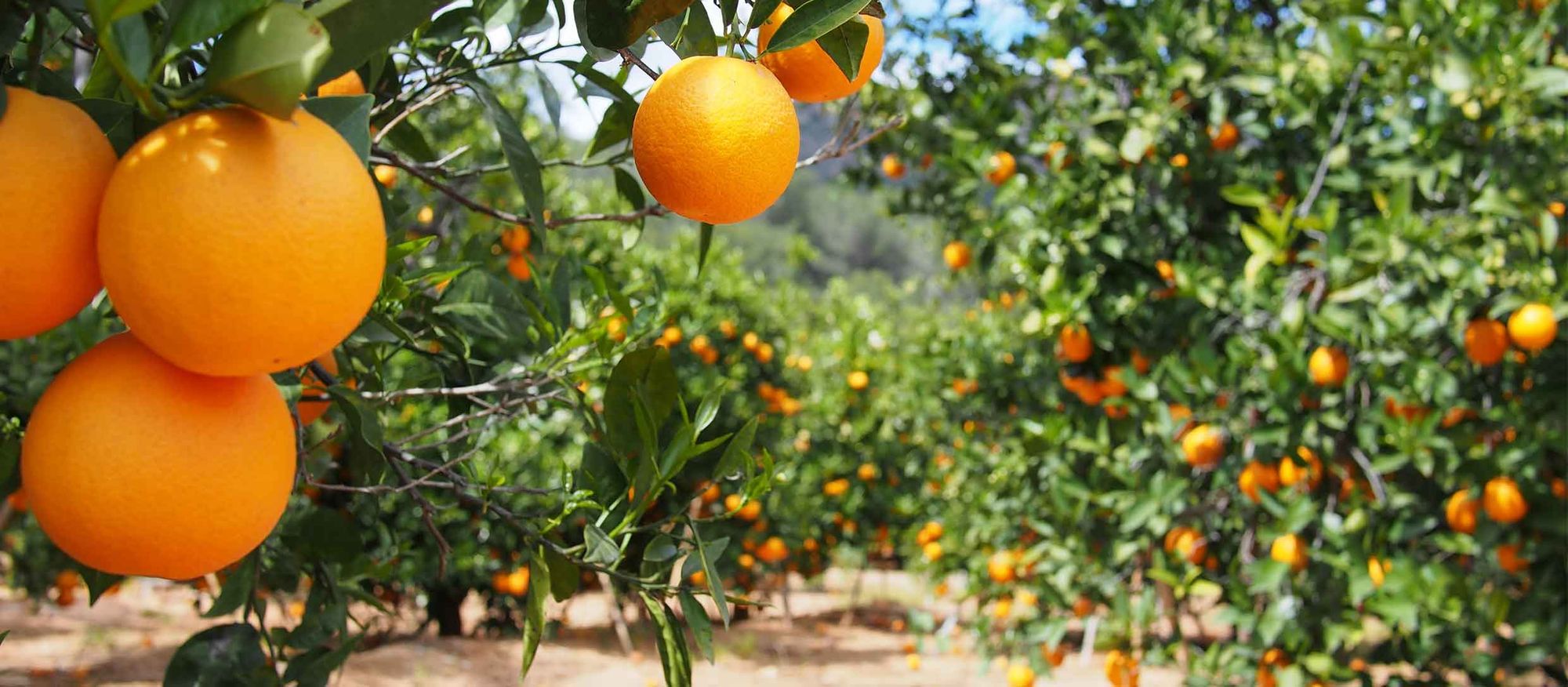
According to data reported by Tridge for the 2019/20 season, Egypt exported approximately 1.8 million tonnes of oranges, a 9% increase on the previous year, generating approximately US$660 million in export revenue. The figures highlighted Egypt's growing importance in the global orange trade, surpassing major competitors such as Spain and South Africa in export volume during that period.
Why are Egyptian orange exports growing?
Several factors contributed. The devaluation of the Egyptian pound improved the price competitiveness of Egyptian agricultural products. At the same time, improvements in agricultural practice, quality management, export controls and government initiatives helped producers and exporters meet increasingly demanding international standards. Competitive pricing and improving quality opened opportunities in both established and emerging markets.
Growing international demand
Egypt supplies fresh oranges to customers across Europe, Asia, the Middle East and other destinations. The ability to produce large volumes of citrus during an important period in the international orange calendar gives Egyptian exporters a significant advantage.
Rising demand in China
Between January and October 2019, Egypt shipped approximately 191,000 tonnes of oranges to China, a 107% increase on the same period a year earlier. The increase was linked to changes in China's domestic citrus production and growing demand for imported oranges, with Egypt's harvest period making it an attractive supplier.
Improving quality standards
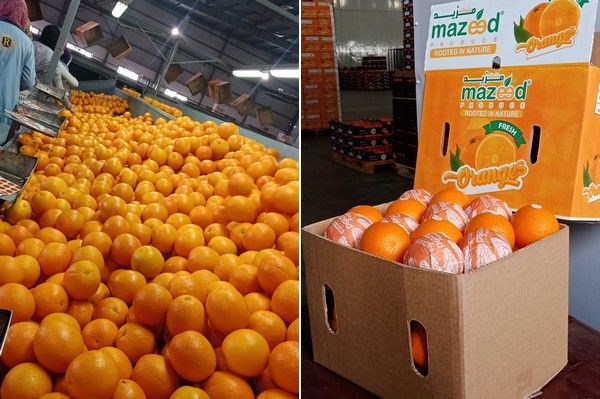
Price alone is not enough. International buyers require consistent quality, food safety, traceability and responsible agricultural practice. In October 2017, the Agricultural Export Council of Egypt and the Ministry of Agriculture and Land Reclamation introduced a programme to strengthen controls over agricultural exports, including the registration and coding of farms participating in export programmes, allowing authorities to monitor farming practice and pesticide use. These measures supported improvements in the quality and traceability of Egyptian oranges for international markets, and created opportunities for small and medium-sized farms to participate in the global citrus trade.
Egypt's competitive advantage
- Favourable climatic conditions for citrus
- Large-scale orange cultivation
- Competitive production costs
- An established agricultural export sector
- Growing international market access
- Improving quality and traceability standards
- Strategic access to European, Asian, Middle Eastern and African markets
The growing role of Egyptian exporters
For international buyers, Egyptian orange exporters offer access to large volumes of fresh citrus supported by an increasingly sophisticated production and export infrastructure. Companies such as Mazeed Produce contribute by combining Egyptian agricultural production with professional packing, quality control, logistics and export expertise.
While global rankings change from season to season, Egypt's agricultural base, growing conditions and expanding network of markets continue to support its role as a major supplier of fresh oranges.